Muskoka's lakes, rivers and portages were travel routes, harvesting grounds and homes for thousands of years before the first survey lines. Understanding that history makes a visit richer, and recognizing the Nations of this land today is part of travelling here well.
Anishinaabe homeland
Muskoka is the homeland of the Anishinaabeg, including Ojibwe (Chippewa), Odawa and Potawatomi peoples. The region's own name is commonly traced to an Anishinaabe leader of the mid-1800s, Chief Mesqua Ukie, often called Yellowhead.
Muskoka lies within lands covered by the Robinson-Huron Treaty of 1850 and the Williams Treaties of 1923. The Williams Treaties were signed by seven First Nations: Alderville, Beausoleil, Chippewas of Georgina Island, Chippewas of Rama, Curve Lake, Hiawatha and Mississaugas of Scugog Island. The treaties were not the product of fair negotiation, and in 2018 the governments of Canada and Ontario formally apologized and reached a settlement that included $1.11 billion in compensation and recognition of treaty harvesting rights.
First Nations in Muskoka today
Wahta Mohawks. About 8 km from Bala on Muskoka Road 38, Wahta Mohawk Territory was founded in 1881 when Mohawk families relocated from Kanesatake, Quebec. The Mohawk Nation is known as the Keepers of the Eastern Door of the Haudenosaunee Confederacy. Wahta is a Mohawk word connected to the maple, and the community's businesses, including those at The Wahta Station, are an easy and welcome stop on Highway 400.
Moose Deer Point First Nation. On Georgian Bay west of Port Carling, this community descends from Potawatomi people who came to the region from the American Midwest in the 1830s.
How to learn while you visit
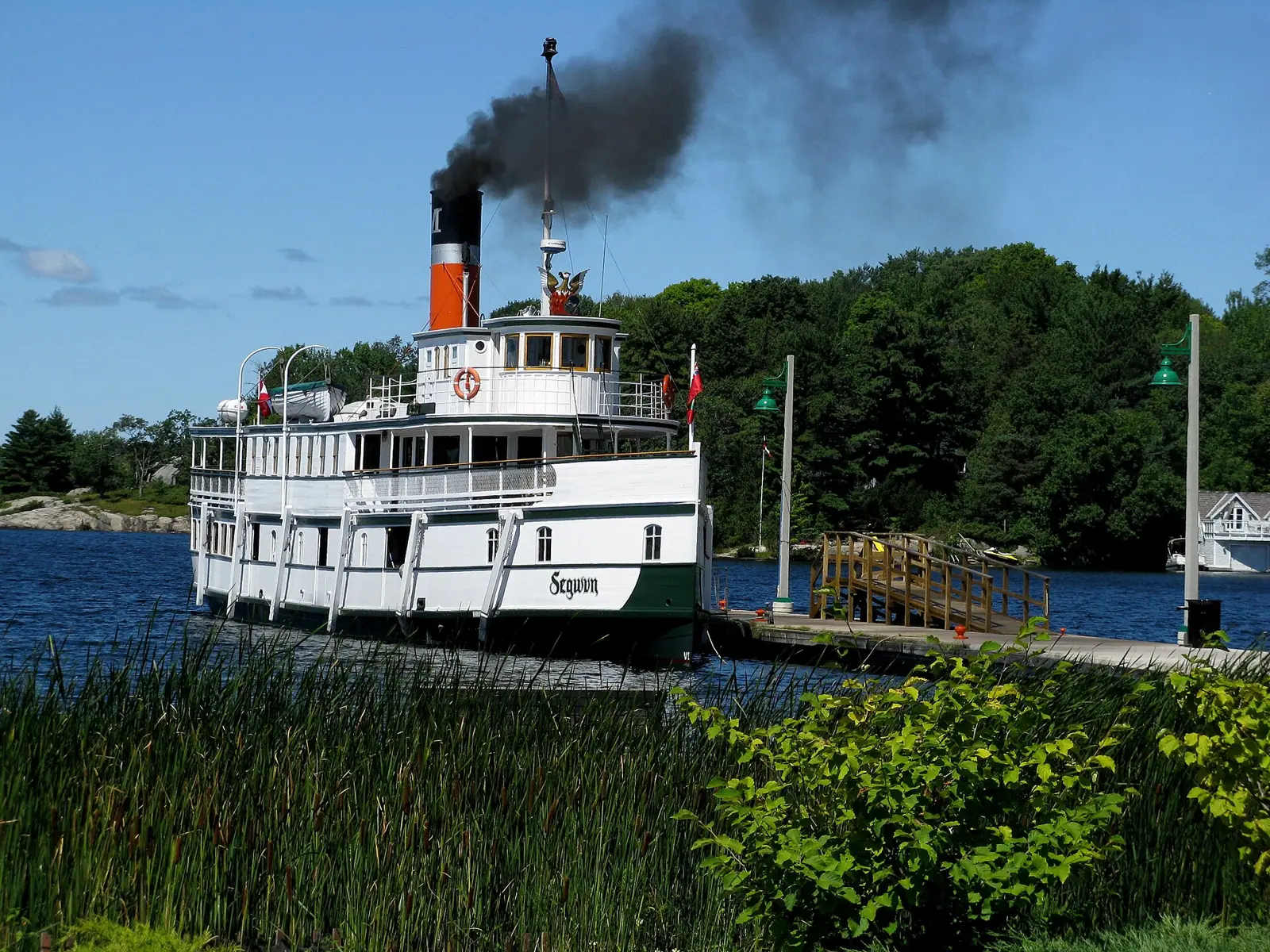
- Start at the Muskoka Discovery Centre in Gravenhurst, which includes an Indigenous culture exhibit alongside its steamship galleries.
- Look for land acknowledgements at local institutions such as Muskoka Heritage Place in Huntsville, and take a moment to read them rather than skim.
- Buy from Indigenous-owned businesses and artists, and ask before photographing people or ceremonies.
- Treat shorelines, portages and old campsites with care. Many are places of significance whether or not they are marked.
Acknowledging the land is a starting point, not an end point. The most respectful thing a visitor can do is learn from the communities themselves.
This article was prepared from public sources listed below. We welcome corrections and guidance from First Nations and Métis communities in the region, and will update it accordingly.