Before the highway, the only way into most of Muskoka was by water. Steamships ran scheduled routes up Lake Muskoka, through the locks and out to the far shore, carrying passengers, mail, furniture, groceries and just about everything else a lakeside community needed.
The boats are the reason the towns are where they are.
The wharf as a front door
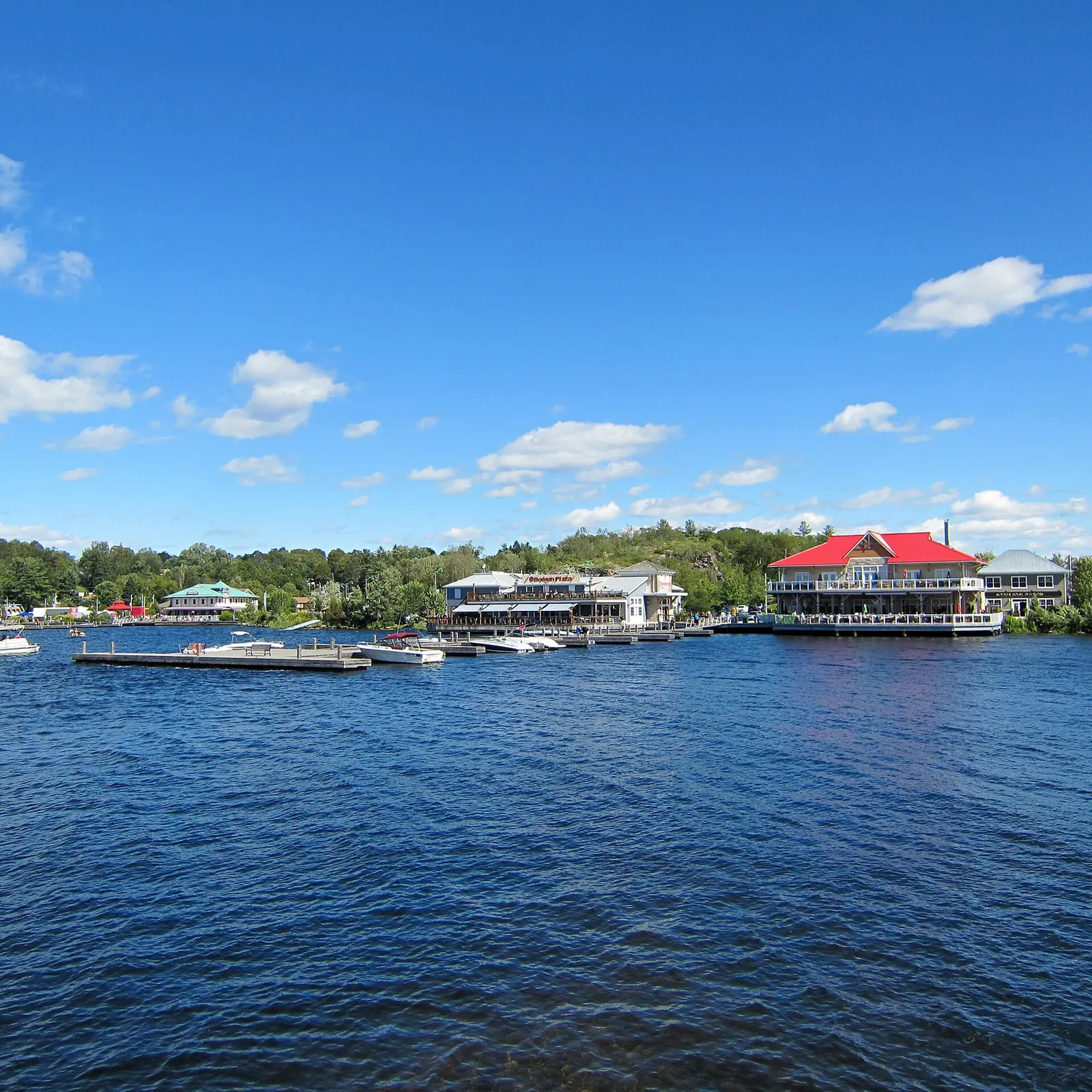
Gravenhurst's Muskoka Wharf was the transfer point between the railway and the lake. Goods arrived by train, went onto a boat, and were delivered along the shoreline. Resorts grew at the stops, and villages grew around the docks. Walk the boardwalk today and you are following the same waterfront route the steamers used.
A steamer schedule was a village's timetable. When the boat came in, the town had news.
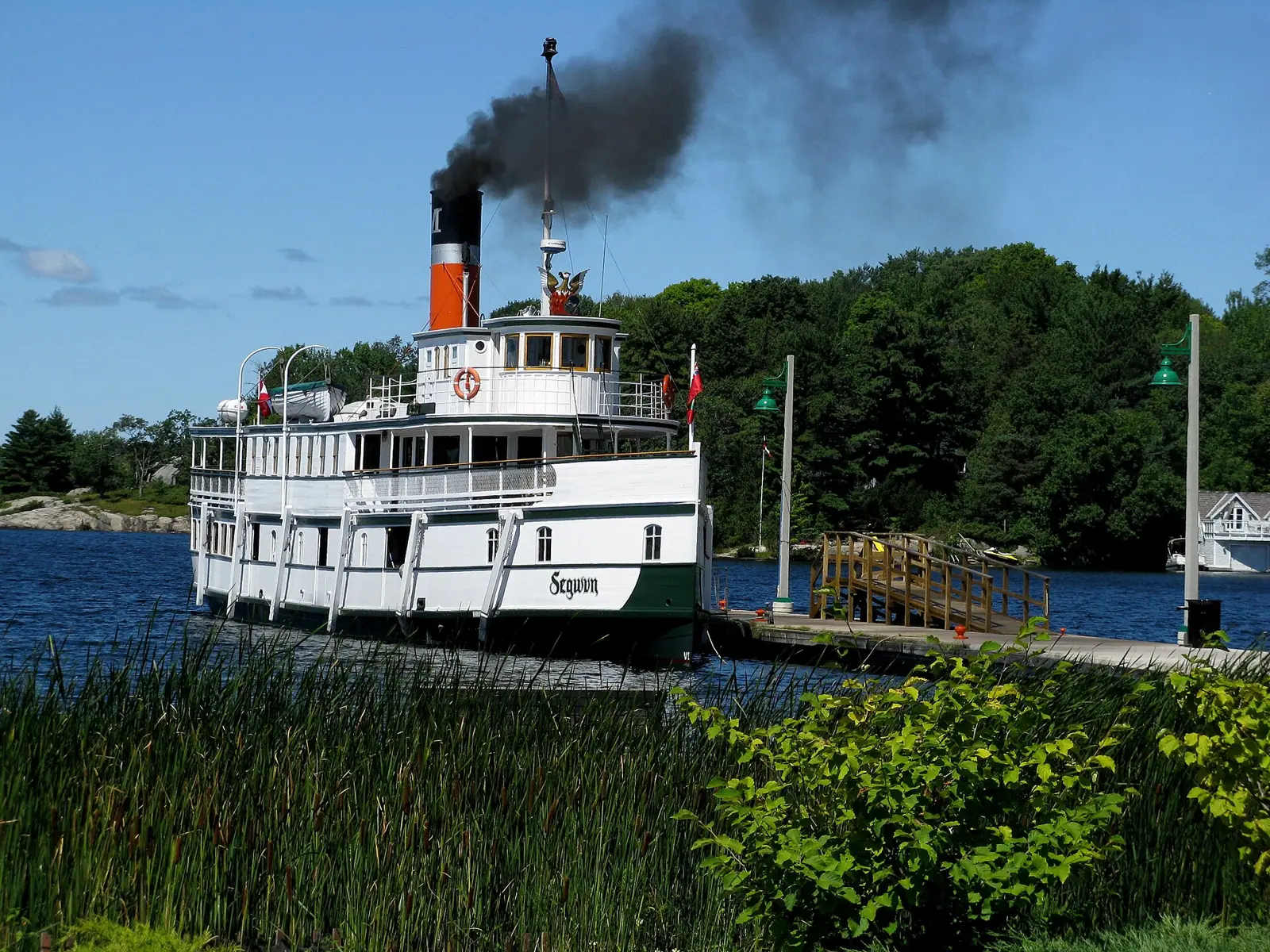
The RMS Segwun, built in the 1880s and still sailing from the wharf in season, is the surviving example of that era; the larger Wenonah II was built much later but sails the same water.
What to look for now
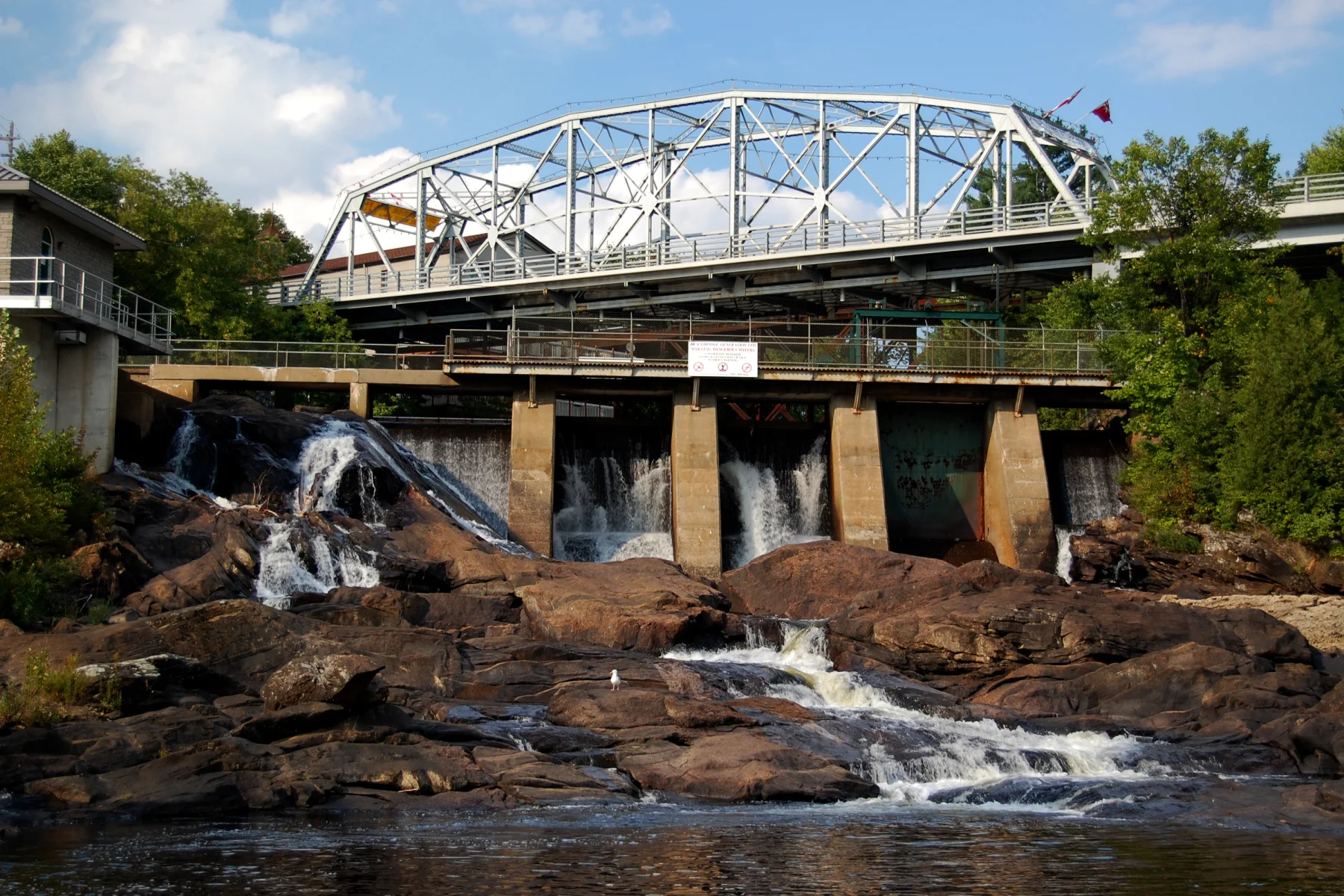
The Muskoka Discovery Centre at the wharf keeps the wooden boats and the steamship story, and the nearby opera house is a reminder that these towns were built to be more than supply depots. In Bracebridge and Huntsville, the mill and railway heritage is still visible in the buildings along the river and the main street.
Why it still matters
The resort economy that the steamers created never really went away. It just changed vehicles. The same shoreline that once hosted a steamer landing now holds a dock, a cottage and a boat, and the pattern of the summer season still follows a timetable set more than a century ago.
If you only do one thing, take the boat. The heritage is easier to understand from the water than from a plaque.